The Fable Ban Explained: What Happened, Who's Affected, and What Enterprises Should Do

Update (July 1, 2026): Fable 5 is back, the US export ban was lifted on June 30, 2026. What the return means for enterprises: Fable 5 is back. Also newly released: Claude Sonnet 5.
Definition: The "Fable Ban" is the US export-control directive of 12 June 2026 that forced Anthropic to disable its Claude Fable 5 and Mythos 5 models for all foreign nationals, and because nationality can't be filtered in real time, the models went offline worldwide. Other Claude models (Opus 4.8, Sonnet, Haiku) stayed available. *(snippet-ready, ~50 words)*
This is a fast, factual explainer of the Fable Ban and, more importantly for business readers, what it means for enterprises that depend on US AI. For the full strategic response, see our pillar on sovereign AI and vendor lock-in.
What happened (the 30-second version)
- What: A US export-control directive suspended access to Anthropic's newest models, Fable 5 and Mythos 5, for all foreign nationals, worldwide.
- When: Friday 12 June 2026, 5:21 pm ET, via a US Commerce Department directive [1].
- Why: Officially, national security, based on a claimed safety jailbreak exposing "Mythos-class" cyber capability; Anthropic disputes the basis [1].
- Who's affected: Only Fable 5 and Mythos 5. Opus 4.8, Sonnet and Haiku stayed available [2].
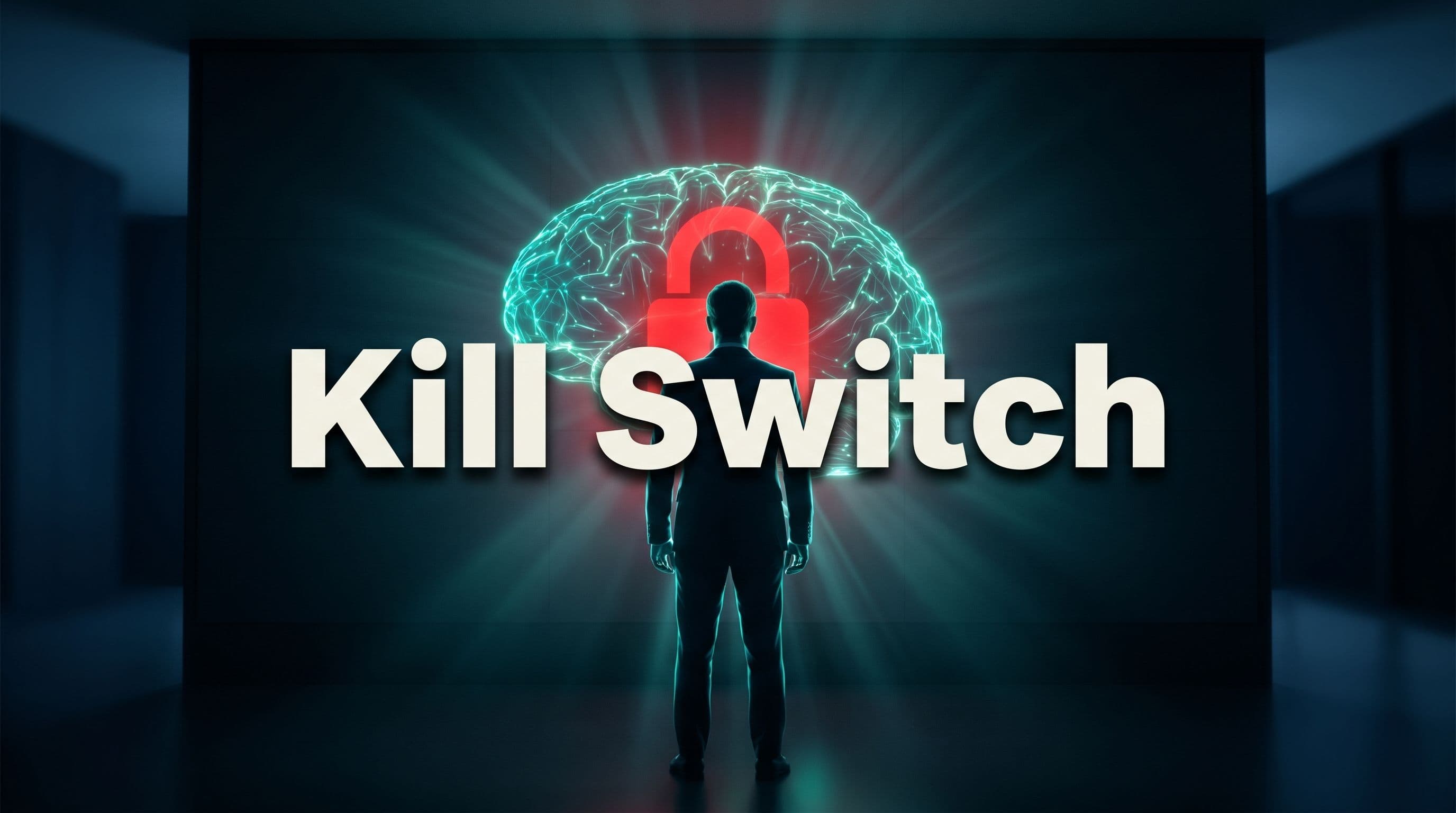
- Why it matters: It appears to be the first time a publicly deployed frontier model was switched off by government directive, a real "AI kill switch."
Timeline
When · Event
- 9 Jun 2026, Anthropic launches Fable 5 and Mythos 5
- 12 Jun 2026, 5:21 pm ET, US Commerce Department directive [1]
- 12 Jun 2026, evening, Anthropic disables both models worldwide for all users
- 13 Jun 2026, Anthropic publishes its statement; debate escalates
Why was Fable 5 banned?
The directive cited national security and a reported jailbreak of Fable 5's safeguards. Anthropic complied but disputes the reasoning, noting the capability is "widely available from other models (including OpenAI's GPT-5.5)" and warning that applying the standard industry-wide would "essentially halt all new model deployments" [1]. Reporting tied the trigger to Amazon CEO Andy Jassy raising concerns with US officials [3].
Who got locked out
Because Anthropic could not filter US versus foreign users in real time, it disabled the models globally. The ban landed roughly a day after Anthropic named India its second-largest market and announced a TCS partnership, those enterprises were cut off instantly [2].
What the Fable Ban means for enterprises
- Single-model dependence is now a board-level risk. If your critical processes run on one US model, a directive, outage or price change can stop them without warning.
- Data exposure persists even when access doesn't. US providers remain subject to the CLOUD Act for data in EU data centers.
- Sovereignty is the hedge. Enterprises with multi-vendor or EU-sovereign architectures could fail over; others went dark.
What enterprises should do now
- Map dependencies, which process runs on which model and provider.
- Insert an abstraction layer, a vendor-neutral LLM router so switching is configuration, not code.
- Define a multi-vendor fallback and keep an open-weight, self-hostable backup.
- Evaluate EU-sovereign / on-premise options for sensitive workloads.
- Review contracts, retention (ideally Zero Data Retention), availability and exit clauses.
The full architecture, decision framework and 90-day plan are in our pillar: Sovereign AI for Enterprises.
FAQ
What is the Fable Ban?
The Fable Ban is the US export-control directive of 12 June 2026 that forced Anthropic to disable Claude Fable 5 and Mythos 5 for all foreign nationals. Because nationality could not be filtered in real time, Anthropic took both models offline worldwide.
Why were Fable 5 and Mythos 5 banned?
Officially for national security, based on a reported jailbreak exposing Mythos-class cyber capability. Anthropic complied but disputes the reasoning, noting similar capability exists in other models.
Are all Claude models banned?
No. Only Fable 5 and Mythos 5 were affected. Claude Opus 4.8, Sonnet and Haiku remained available.
Can the US government shut off my AI access?
The Fable Ban shows a US directive can take a model offline worldwide without notice. Multi-vendor or sovereign architectures let you fail over instead of going dark.
What should enterprises do after the Fable Ban?
Map model dependencies, add a vendor-neutral router for failover, keep an open-weight backup, evaluate EU-sovereign or on-premise options, and review contract terms for retention and exit.
References
[1] Anthropic, 12 Jun 2026, statement on Fable 5 / Mythos 5 (anthropic.com/news/fable-mythos-access); corroborated by CNBC, NBC, Fortune, Al Jazeera. · [2] Fortune / TIME, 13 Jun 2026, global takedown, Opus 4.8 available, India/TCS lock-out. · [3] WSJ, 13 Jun 2026, Amazon CEO's talks triggered the crackdown. Fact-check status: `data/page-analyses/fable-ban-pillar-research.md`.
Related articles
Also topical: ECB Banking Supervision requires all significant institutions to submit an action plan on AI-enabled cyber threats by 31 October 2026. Our analysis of ECB letter SSM-2026-0301, the six focus areas and the deadline in detail.

Sovereign AI · ADVISORI
Frontier AI on European infrastructure
Frontier performance, entirely in Europe and under European law: as local language models in your infrastructure or orchestrated through Synthara AI Studio.
- EU inference: no CLOUD Act, no kill switch
- GDPR-compliant on European hardware
- Live in a few weeks, no vendor lock-in
Related articles
Continue exploring with related insights from our experts.
AI Governance for Banks: Connecting Data, Models, and Internal Structures
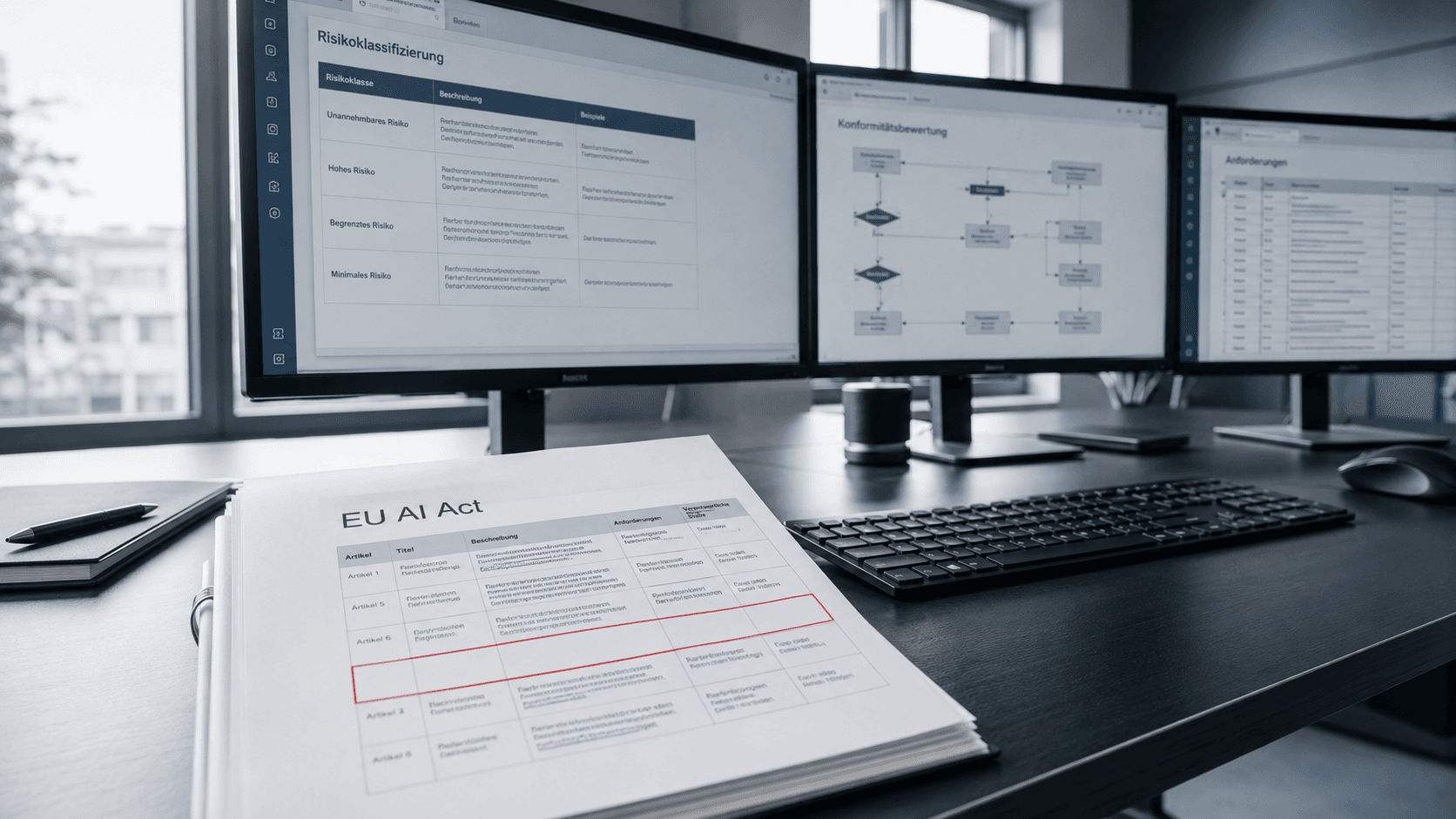
AI governance does not replace what banks already do well. It builds on it. This article shows how data governance, model governance, and internal governance combine into a framework that satisfies supervisors and enables AI at scale: from dataset suitability and continuous monitoring to accountability across the three lines of defense.
AI Agents Explained: Definition, Examples and Enterprise Adoption. The 2026 Guide
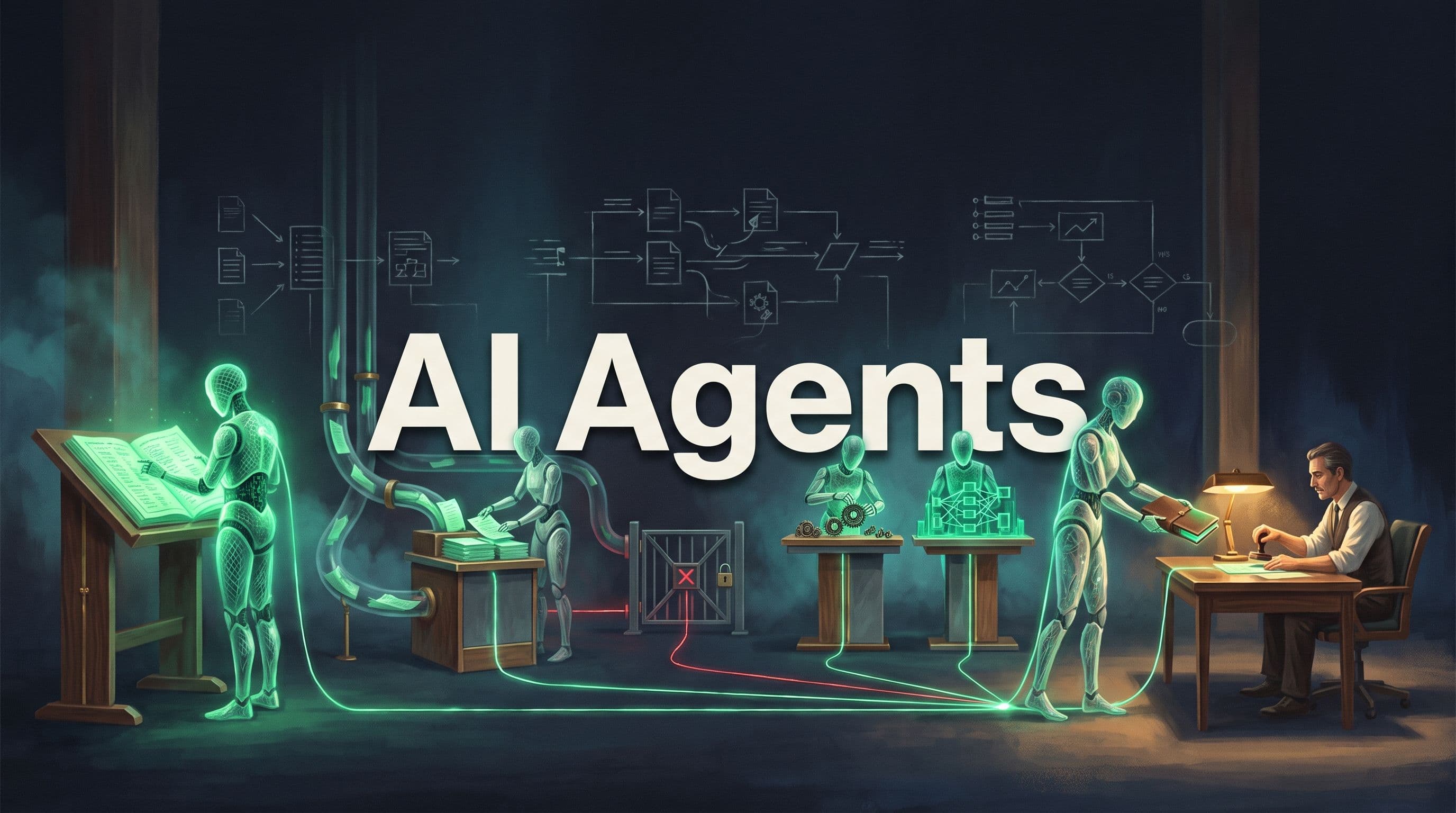
What are AI agents? Definition, how they work, 7 enterprise examples and a 5-step adoption plan: GDPR-compliant and EU AI Act ready.
LLM security: defending generative AI with the OWASP LLM Top 10
LLM security explained: the OWASP LLM Top 10 (2025), prompt injection in depth, layered defenses, and how to govern generative AI with ISO 42001, ISO 27001 and the EU AI Act.