Risk Analysis for Outsourcing
A well-founded risk analysis is the key to successful outsourcing decisions. We support you in the systematic identification, assessment, and management of all relevant risks in your outsourcing projects.
- ✓Compliance with regulatory requirements (MaRisk, BAIT, EBA Guidelines)
- ✓Transparent decision-making basis for outsourcing projects
- ✓Well-founded risk assessment and effective risk management
- ✓Reduction of business and reputational risks
Your strategic success starts here
Our clients trust our expertise in digital transformation, compliance, and risk management
30 Minutes • Non-binding • Immediately available
For optimal preparation of your strategy session:
- Your strategic goals and objectives
- Desired business outcomes and ROI
- Steps already taken
Or contact us directly:
Certifications, Partners and more...










Outsourcing Risk Analysis: Regulatory-Compliant Vendor Assessment
Our Strengths
- Comprehensive expertise in regulatory requirements and industry standards
- Proven methodology for systematic risk assessment of outsourcing
- Field-tested tools and templates for efficient risk analyses
- Deep understanding of industry-specific risks and requirements
Expert Tip
An effective risk analysis should not only consider the immediate risks of the service provider but also concentration risks, impacts on the entire supply chain, and the interplay of different risk types.
ADVISORI in Numbers
11+
Years of Experience
120+
Employees
520+
Projects
Our approach to risk analysis for outsourcing is structured, comprehensive, and tailored to your individual requirements.
Our Approach:
Analysis of outsourcing strategy and regulatory requirements
Development of a customized risk assessment framework
Conducting structured risk analyses and assessments
Derivation of risk mitigation measures and control mechanisms
Integration into existing GRC processes and continuous optimization
"A systematic risk analysis is not only a regulatory obligation but a strategic competitive advantage. Companies that proactively manage risks in their outsourcing create the foundation for sustainable and secure partnerships."

Sarah Richter
Head of Information Security, Cyber Security
Expertise & Experience:
10+ years of experience, CISA, CISM, Lead Auditor, DORA, NIS2, BCM, Cyber and Information Security
Our Services
We offer you tailored solutions for your digital transformation
Risk Taxonomy & Assessment
Development of a structured risk taxonomy and assessment methodology for outsourcing projects.
- Identification of relevant risk types and dimensions
- Development of assessment criteria and scoring methods
- Creation of risk matrices and assessment tools
- Integration into existing risk management processes
Risk Mitigation & Control
Development and implementation of measures for risk mitigation and control in outsourcing.
- Derivation of specific risk mitigation measures
- Development of control frameworks and monitoring
- Integration of measures into contracts and SLAs
- Continuous monitoring and risk reporting
Specific Risk Analyses
Conducting customized risk analyses for specific outsourcing projects or service providers.
- Project-specific risk assessments and analyses
- Analysis of concentration risks and dependencies
- Assessment of country, compliance, and reputational risks
- Creation of emergency and continuity plans
Our Competencies
Choose the area that fits your requirements
Thorough due diligence is the key to successful outsourcing. We support you in the systematic review of potential vendors to make informed decisions and fulfil regulatory requirements.
Frequently Asked Questions about Risk Analysis for Outsourcing
What is outsourcing risk analysis for financial institutions?
Outsourcing risk analysis is the systematic assessment of all risks associated with delegating business processes to third-party vendors. For financial institutions, it is mandated by regulations such as MaRisk AT
9 (Germany), EBA Guidelines on Outsourcing (EU), and DORA. The analysis covers operational, financial, compliance, and information security risks, determines materiality classification (material vs. non-material), and evaluates concentration risks. Material outsourcing arrangements require annual reassessment.
What methods are used in vendor risk assessment?
Vendor risk assessment employs multiple methods: quantitative scoring models with weighted risk categories (likelihood x impact), structured assessment questionnaires tailored to vendor types, pre-contract due diligence reviews combining document analysis with on-site inspections, scenario analysis and stress testing for extreme events such as cyberattacks or vendor insolvency, and continuous monitoring through Key Risk Indicators (KRIs). ISO 27001 and NIST frameworks provide standardized approaches for categorizing vendor risks.
How does materiality classification affect outsourcing governance?
Materiality classification determines the regulatory burden: material outsourcing requires a full risk analysis with annual updates, regulatory notification, comprehensive contracts with audit rights, and business continuity planning. Non-material outsourcing needs a simplified assessment every three years. Classification criteria include impact on business strategy, earnings, risk profile, and control capabilities. Regulators frequently find that institutions underestimate materiality and apply superficial assessments based on historical classifications.
What concentration risks must be assessed in outsourcing?
Concentration risks arise when a small number of specialized IT service providers serve a large share of the financial sector. The risk analysis must evaluate multi-vendor dependencies, sub-outsourcing chains (Nth-party risks), geographic concentrations, and technology lock-in effects. European regulators have classified outsourcing concentration as a focus risk for 2024‑2026. Disruptions at a dominant provider can cascade across the entire value chain and threaten financial stability.
How do DORA and NIS2 impact outsourcing risk analysis?
DORA (Digital Operational Resilience Act) introduces specific ICT third-party requirements: a register of information for all ICT outsourcing, concentration risk assessment, and direct oversight of critical ICT providers by supervisory authorities. NIS 2 strengthens cybersecurity requirements across the supply chain for critical infrastructure operators. Both regulations complement existing national outsourcing frameworks and require enhanced risk assessment of vendor relationships focusing on digital resilience and supply chain security.
What are the consequences of inadequate outsourcing risk analysis?
Inadequate risk analysis can trigger supervisory measures including capital surcharges, remediation orders, or in extreme cases prohibition of the outsourcing arrangement. Auditors regularly find that institutions underestimate actual risks, carry forward historical materiality classifications, and insufficiently assess concentration risks. Under DORA, penalties can reach up to 1% of average daily worldwide turnover for non-compliance with ICT risk management requirements.
How does ADVISORI support outsourcing risk analysis?
ADVISORI conducts structured risk analyses for financial institutions: regulatory-compliant materiality assessments, development of scoring models and risk taxonomies, evaluation of concentration risks and Nth-party dependencies, vendor due diligence for IT service providers, and integration of DORA and NIS 2 requirements. As a specialized consultancy for regulatory outsourcing management, we combine industry expertise with supervisory knowledge and proven methodologies.
Latest Insights on Risk Analysis for Outsourcing
Discover our latest articles, expert knowledge and practical guides about Risk Analysis for Outsourcing
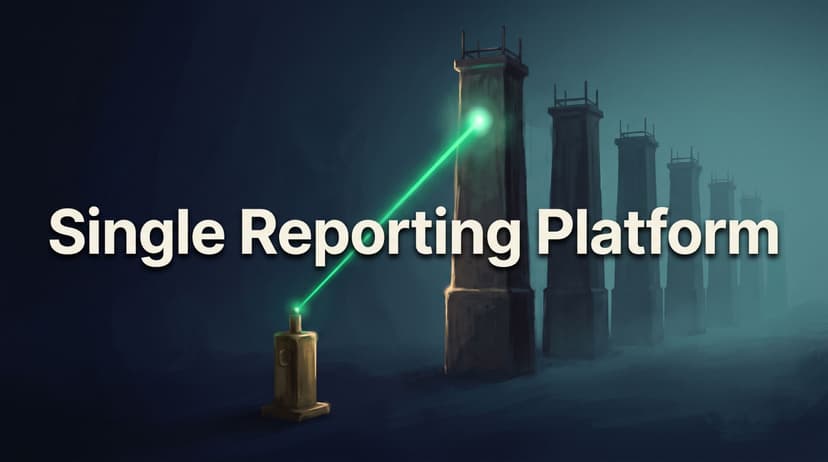
The CRA Single Reporting Platform (SRP): status, registration and what to prepare
The Single Reporting Platform (SRP) is how manufacturers report under the Cyber Resilience Act from 11 September 2026. Till now it is not live, there is no API, and cross-border sharing is manual. What you can prepare regardless.
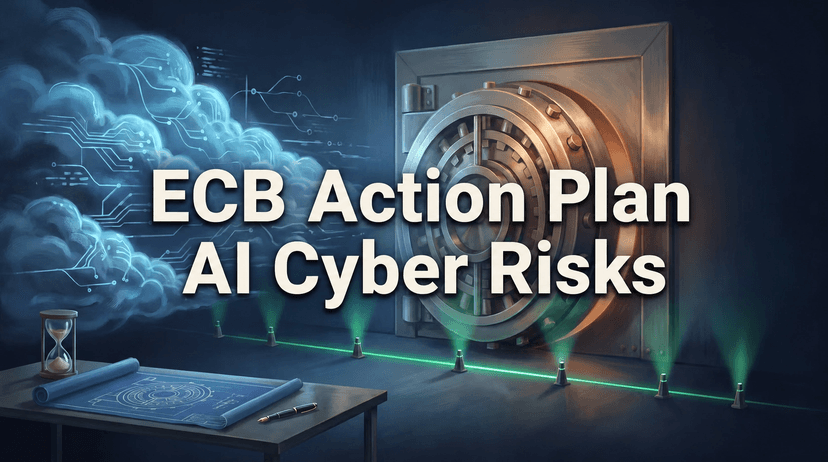
ECB requires action plan on AI-enabled cyber threats by 31 October 2026
ECB Banking Supervision requires all significant institutions to submit an action plan addressing AI-enabled cyber threats by 31 October 2026. What letter SSM-2026-0301 demands, and how the six focus areas map onto DORA.

Cyber Insurance: Requirements, Costs, and Selection Guide for Businesses 2026
Cyber insurance covers financial losses from cyberattacks, data breaches, and IT outages. This guide explains what insurers require in 2026, coverage types, costs by company size, and how to choose the right policy — including how ISO 27001 certification reduces premiums.
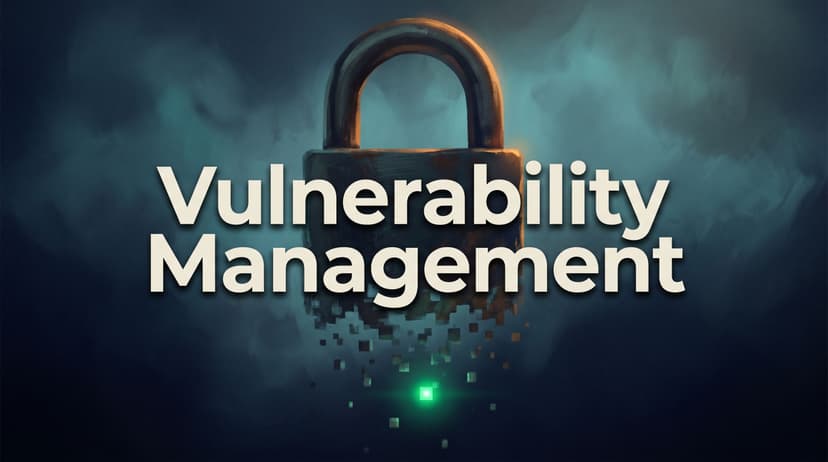
Vulnerability Management: The Complete Lifecycle for Finding, Prioritizing, and Remediating Weaknesses
Over 30,000 CVEs are published annually. Effective vulnerability management prioritizes what matters most to your organization and remediates before attackers exploit. This guide covers the full lifecycle: discovery, scanning, risk-based prioritization, remediation, and compliance.

Security Awareness Training: Building Effective Programs and Measuring Impact
The human layer remains the weakest link in cybersecurity. This guide covers how to build an effective security awareness program, run phishing simulations, design role-based training, and measure whether your program actually reduces risk — with benchmarks and KPIs.
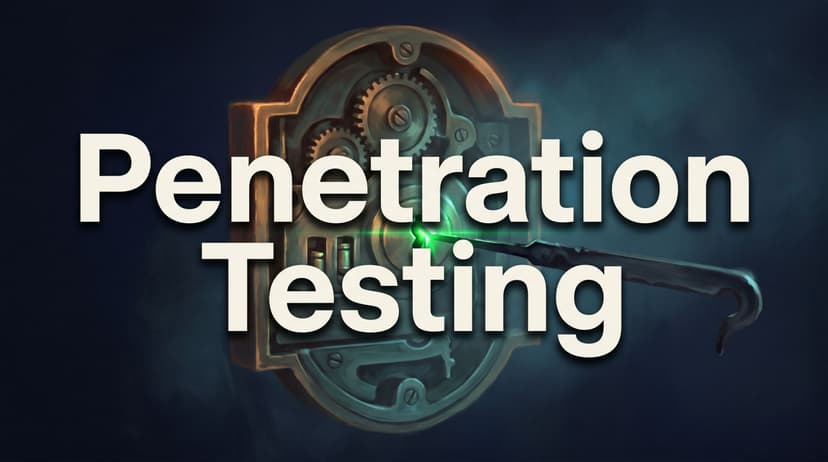
Penetration Testing: Methods, Process & Provider Selection Guide 2026
Penetration testing reveals vulnerabilities before attackers exploit them. This comprehensive guide covers black box, grey box, and white box methods, the 5-phase pentest process, provider selection criteria, DORA TLPT requirements, and cost benchmarks for every test type.
Success Stories
Discover how we support companies in their digital transformation
Digitalization in Steel Trading
Steel trading company from Germany
Digital Transformation in Steel Trading
Results
AI-Powered Manufacturing Optimization
Industrial group from Germany
Smart Manufacturing Solutions for Maximum Value Creation
Results
AI Automation in Production
Automation specialist from Germany
Intelligent Networking for Future-Proof Production Systems
Results
Generative AI in Manufacturing
Technology group from Germany
AI Process Optimization for Improved Production Efficiency
Results
Let's
Work Together!
Is your organization ready for the next step into the digital future? Contact us for a personal consultation.
Your strategic success starts here
Our clients trust our expertise in digital transformation, compliance, and risk management
Ready for the next step?
Schedule a strategic consultation with our experts now
30 Minutes • Non-binding • Immediately available
For optimal preparation of your strategy session:
Prefer direct contact?
Direct hotline for decision-makers
Strategic inquiries via email
Detailed Project Inquiry
For complex inquiries or if you want to provide specific information in advance