1. Home/
  2. Services/
  3. Informationssicherheit/
  4. Security Testing/
  5. Vulnerability Management

Subscribe to Newsletter

Stay up to date with the latest trends and developments

By subscribing, you agree to our privacy policy.

A
ADVISORI FTC GmbH

Transformation. Innovation. Security.

Office Address

Kaiserstraße 44

60329 Frankfurt am Main

Germany

View on map

Contact

info@advisori.de+49 69 913 113-01

Mon-Fri: 9:00 AM - 6:00 PM

Company

Services

Social Media

Follow us and stay up to date.

  • /
  • /

© 2024 ADVISORI FTC GmbH. All rights reserved.

Your browser does not support the video tag.
Proactive Management of Security Vulnerabilities

Vulnerability Management

Our structured vulnerability management process identifies weaknesses across your entire IT infrastructure, prioritises them by CVSS score and business risk, and drives targeted remediation. From initial assessment through continuous scanning to full vulnerability lifecycle management — aligned with ISO 27001, NIS2 and DORA.

  • ✓Continuous identification and assessment of vulnerabilities
  • ✓Risk-oriented prioritization for efficient resource utilization
  • ✓Improved security posture through systematic vulnerability remediation
  • ✓Compliance evidence for regulators and business partners

Your strategic success starts here

Our clients trust our expertise in digital transformation, compliance, and risk management

30 Minutes • Non-binding • Immediately available

For optimal preparation of your strategy session:

  • Your strategic goals and objectives
  • Desired business outcomes and ROI
  • Steps already taken

Or contact us directly:

info@advisori.de+49 69 913 113-01

Certifications, Partners and more...

ISO 9001 CertifiedISO 27001 CertifiedISO 14001 CertifiedBeyondTrust PartnerBVMW Bundesverband MitgliedMitigant PartnerGoogle PartnerTop 100 InnovatorMicrosoft AzureAmazon Web Services

End-to-End Vulnerability Management for Sustainable IT Security

Our Strengths

  • Experienced consultants with in-depth knowledge of current vulnerabilities and threats
  • Proven methodology for successful implementation of Vulnerability Management
  • Pragmatic approach focused on actual risk reduction for your organization
  • Comprehensive experience with leading Vulnerability Management platforms and tools
⚠

Expert Tip

A risk-oriented approach in Vulnerability Management is crucial for optimal resource allocation. Prioritization should not only be based on technical severity values like CVSS, but also consider the business criticality of affected systems, the actual exploitability of vulnerabilities, and the specific threat context of your organization. This ensures that the most important security risks are addressed first.

ADVISORI in Numbers

11+

Years of Experience

120+

Employees

520+

Projects

Our approach to Vulnerability Management follows a structured process that considers the specific requirements and framework conditions of your organization. We place particular emphasis on integration into existing processes and alignment with your business objectives to create sustainable value.

Our Approach:

Assessment: Analysis of existing processes, technologies, and organizational structures for Vulnerability Management

Design: Development of a customized Vulnerability Management process considering best practices

Tool Selection: Evaluation and selection of suitable Vulnerability Management tools based on your requirements

Implementation: Introduction of processes and tools into your organization, including necessary training

Optimization: Continuous improvement of processes, metrics, and reporting

"A common mistake in Vulnerability Management is focusing exclusively on technical aspects without considering organizational and process dimensions. Our experience shows that a successful Vulnerability Management process requires not only the right technology but also clear responsibilities, efficient workflows, and close collaboration between security, IT, and development teams. Only through this comprehensive approach can organizations sustainably improve their security posture."

Sarah Richter

Sarah Richter

Head of Information Security, Cyber Security

Expertise & Experience:

10+ years of experience, CISA, CISM, Lead Auditor, DORA, NIS2, BCM, Cyber and Information Security

LinkedIn Profile

Our Services

We offer you tailored solutions for your digital transformation

Vulnerability Management Process Implementation

Design and implementation of a customized Vulnerability Management process tailored precisely to your requirements and organizational framework. We support you in defining roles and responsibilities, developing workflows, and integrating into existing IT and security processes.

  • Analysis of current process landscape and identification of integration points
  • Definition of a structured process from inventory to verification
  • Development of policies, process descriptions, and work instructions
  • Training and support for employees during process introduction

Vulnerability Scanning Services

Regular or event-driven execution of vulnerability scans of your IT infrastructure, applications, and systems. Our experts conduct the scans, analyze and verify the results, prioritize identified vulnerabilities, and support you in remediating critical security gaps.

  • Execution of regular vulnerability scans with minimal operational impact
  • Manual verification and analysis of scan results to reduce false positives
  • Risk-oriented prioritization and concrete action recommendations
  • Regular reporting with trend analyses and security metrics

Vulnerability Management Tool Selection and Implementation

Support in selecting, implementing, and configuring the optimal Vulnerability Management solution for your specific requirements. We analyze your needs, evaluate available tools, and guide you through the entire implementation process.

  • Requirements analysis and creation of a tool requirements catalog
  • Evaluation and assessment of various Vulnerability Management solutions
  • Installation, configuration, and integration of the selected solution
  • Knowledge transfer and training for your employees

Managed Vulnerability Management

Fully managed Vulnerability Management as a continuous service. Our experts handle regular execution of vulnerability scans, analysis and prioritization of results, coordination of remediation measures, and reporting to relevant stakeholders.

  • Complete management of the Vulnerability Management process
  • Regular scans according to agreed schedule with minimal effort for your IT
  • Proactive notification of critical vulnerabilities and zero-day exploits
  • Dedicated contacts with in-depth knowledge of your IT environment

Our Competencies in Security Testing

Choose the area that fits your requirements

Security Assessment

A professional security assessment provides a holistic view of your IT infrastructure, applications, and processes. We systematically identify vulnerabilities, evaluate risks against recognized standards such as ISO 27001, BSI IT-Grundschutz, and NIS2, and develop prioritized recommendations — so you invest precisely in the measures that most effectively improve your security posture.

Vulnerability Remediation

Our experts support you in the systematic identification, prioritization, and remediation of security vulnerabilities across your IT infrastructure. With risk-based vulnerability management and effective patch management, we sustainably protect your systems — from CVE analysis to complete remediation.

Frequently Asked Questions about Vulnerability Management

What is Vulnerability Management and why is it important?

Vulnerability Management is a systematic, continuous process for identifying, classifying, prioritizing, remediating, and monitoring security vulnerabilities in IT systems and applications. It represents a critical component of any comprehensive cybersecurity strategy and helps organizations proactively reduce their attack surface. Core Elements of Vulnerability Management: Asset Discovery: Complete inventory of all IT assets that need to be protected. Vulnerability Scanning: Regular examination of systems and applications for known security gaps. Risk Assessment: Evaluation of identified vulnerabilities by severity and potential impact. Prioritization: Determination of remediation order based on risk assessment and operational factors. Remediation: Resolution of vulnerabilities through patches, configuration changes, or other measures. Verification: Validation of successful vulnerability remediation. Business Significance: Risk Reduction: Decreasing the likelihood and impact of successful cyberattacks. Cost Efficiency: Proactive vulnerability remediation is more cost-effective than managing security incidents. Compliance: Meeting regulatory requirements and industry standards. Business Continuity: Minimizing operational disruptions from cyber incidents. Trust Protection: Maintaining the trust of customers, partners, and other stakeholders.

How does an effective Vulnerability Management process work?

An effective Vulnerability Management process follows a structured, cyclical workflow that enables continuous improvement and integrates into existing IT and security processes. Implementing this process requires a combination of appropriate tools, clearly defined workflows, and well-coordinated teams. The Vulnerability Management Lifecycle: Inventory: Complete capture of all IT assets and their classification by criticality. Scanning and Discovery: Regular automated scans to identify known vulnerabilities. Verification and Analysis: Confirmation of found vulnerabilities and elimination of false positives. Risk Assessment: Evaluation of vulnerabilities by severity, exploitability, and business impact. Prioritization: Determination of processing order based on risk assessment. Remediation: Resolution of vulnerabilities through patching, configuration changes, or other measures. Verification: Confirmation of successful remediation through re-scanning. Reporting and Metrics: Documentation and analysis of the process and its results. Technological Components: Vulnerability Scanners: Tools for automated identification of known vulnerabilities. Vulnerability Management Platforms: Central solutions for managing the entire process. Ticketing Systems: Coordination of remediation activities and progress tracking. Patch Management Tools: Automated distribution and installation of software updates. Reporting Tools: Creation of reports and dashboards for various stakeholders.

Which tools and technologies are used for Vulnerability Management?

Choosing the right tools and technologies is crucial for successful Vulnerability Management. The optimal tool landscape depends on the size and complexity of the IT environment, specific security requirements, and available resources. Modern solutions offer comprehensive functionality for the entire Vulnerability Management lifecycle. Vulnerability Scanners: Network Scanners: Tools like Nessus, Qualys, Rapid

7 Nexpose for identifying network and system vulnerabilities. Web Application Scanners: Specialized tools like OWASP ZAP, Acunetix, or Burp Suite for web application analysis. Cloud Security Posture Management: Solutions like Prisma Cloud, Wiz, or Lacework for cloud environments. Container Scanners: Tools like Trivy, Clair, or Anchore Engine for container image inspection. Code Scanners (SAST): Solutions like SonarQube, Checkmarx, or Fortify for static code analysis. Integrated Vulnerability Management Platforms: Enterprise Solutions: Comprehensive platforms like Tenable.io, Qualys VMDR, or Rapid

7 InsightVM. Open-Source Alternatives: Free solutions like OpenVAS or OWASP Dependency-Check. Cloud-based Platforms: Specialized solutions for modern cloud environments. Risk-based VM Platforms: Tools with advanced risk assessment functions like Kenna Security or Brinqa. DevSecOps-integrated Solutions: Platforms with native CI/CD pipeline integration like Snyk or Checkmarx.

How to effectively prioritize vulnerabilities in Vulnerability Management?

Effective vulnerability prioritization is one of the greatest challenges in Vulnerability Management. Given the continuously increasing number of identified vulnerabilities and limited resources for their remediation, a systematic, risk-oriented prioritization approach is essential that goes beyond mere consideration of technical severity values. Basic Prioritization Factors: Technical Severity: CVSS Score (Common Vulnerability Scoring System) as a baseline. Exploitability: Availability of working exploits and current exploitation in the wild. Asset Criticality: Business value and sensitivity of affected systems and data. Exposure Level: Reachability of the vulnerability (internal vs. external, DMZ, etc.). Compensating Controls: Presence of security measures that mitigate the risk. Advanced Prioritization Strategies: Risk-based Vulnerability Management: Combination of technical and business risk factors. Threat Intelligence Integration: Consideration of current threat information and attacker tactics. Exploitability Timeline: Prediction of likely time until availability of a working exploit. Attack Path Analysis: Identification of vulnerability combinations that form critical attack paths. Automated Risk Scoring: Algorithmic assessment based on multiple weighted factors.

How to integrate Vulnerability Management into the DevOps pipeline?

Integrating Vulnerability Management into DevOps processes – often referred to as DevSecOps – is crucial for establishing security as an inherent component of the development and deployment process. This integration enables early detection and remediation of vulnerabilities, reduces costs, and minimizes risks by "shifting security left." Core Principles of Integration: Shift-Left Security: Moving security testing to earlier phases of the development process. Automation: Integration of automated vulnerability scans into CI/CD pipelines. Feedback Loops: Fast feedback on security issues to developers. Shared Responsibility: Security as everyone's task, not just the security team's. Continuous Monitoring: Permanent security validation throughout the entire lifecycle. Technical Implementation in the Pipeline: Pre-Commit Hooks: Local security checks before committing to version control. Static Application Security Testing (SAST): Automated code analysis in the build phase. Software Composition Analysis (SCA): Checking dependencies for known vulnerabilities. Container Security Scanning: Analysis of container images for vulnerabilities and malware. Dynamic Application Security Testing (DAST): Tests against the running application in the test phase. Infrastructure as Code (IaC) Scanning: Security analysis of Infrastructure-as-Code templates.

How to handle vulnerabilities in legacy systems?

Handling vulnerabilities in legacy systems presents a special challenge, as these systems are often no longer fully supported, difficult to patch, or support critical business processes that cannot be interrupted. A strategic approach considering both technical and organizational aspects is required to address these challenges. Specific Challenges with Legacy Systems: Missing Vendor Support: No availability of security patches for end-of-life systems. Technical Limitations: Limited resources that make patching or upgrades difficult. Compatibility Issues: Dependencies on older components that cannot be updated. Documentation Gaps: Missing or incomplete documentation of system architecture and configuration. Business Criticality: High availability requirements that make changes difficult. Compensating Controls and Protective Measures: Network Segmentation: Isolation of legacy systems in separate network segments. Web Application Firewalls (WAF): Filtering attack attempts at the application level. Host-based Intrusion Prevention Systems (HIPS): System-level protection against known attack patterns. Virtual Patching: Implementation of protective measures at network or host level as a substitute for missing patches. Enhanced Monitoring: Increased logging and analysis of activities on legacy systems.

Which metrics and KPIs are relevant for Vulnerability Management?

Measuring and monitoring the Vulnerability Management process through appropriate metrics and KPIs is crucial for continuous improvement, resource allocation, and demonstrating value to management. A balanced combination of various metrics enables comprehensive understanding of the security situation and helps make informed decisions.

⏱ Time-based Metrics: Mean Time to Detect (MTTD): Average time to detect a vulnerability. Mean Time to Remediate (MTTR): Average time to remediate a vulnerability. Mean Time to Patch (MTTP): Average time to install available patches. Vulnerability Aging: Age of unremediated vulnerabilities by severity. SLA Compliance: Adherence to defined timeframes for remediation by severity. Volumetric Metrics: Total Vulnerabilities: Total number of identified vulnerabilities over time. Vulnerabilities by Severity: Distribution of vulnerabilities by severity categories. New vs. Remediated: Ratio between newly discovered and remediated vulnerabilities. Vulnerability Density: Number of vulnerabilities per asset or system group. Top Vulnerability Types: Most common types of vulnerabilities in the environment. Risk-oriented Metrics: Risk Score Trend: Development of overall risk value over time. Exposure Score: Assessment of actual exposure to threats.

How to integrate Vulnerability Management into enterprise-wide risk management?

Integrating Vulnerability Management into enterprise-wide risk management is crucial for placing technical vulnerabilities in the context of business risks and enabling a comprehensive view of the company's security and risk situation. This integration ensures that vulnerability remediation decisions align with overarching business objectives and risk strategies. Strategic Alignment and Governance: Risk Management Framework: Embedding Vulnerability Management in established frameworks like ISO

31000 or COSO ERM. Risk Appetite: Aligning Vulnerability Management objectives with the company's defined risk appetite. Integrated Governance: Establishing clear governance structures with defined responsibilities and escalation paths. Executive Sponsorship: Leadership support for integration to ensure necessary resources. Risk Policy: Adapting or extending corporate risk policy to explicitly consider IT vulnerabilities. Methodology and Process Integration: Unified Risk Assessment Methodology: Harmonizing assessment scales for vulnerability risks with other risk types. Integrated Risk Inventory Process: Capturing vulnerability risks in the company's central risk inventory. Risk Register Integration: Including significant vulnerability risks in the enterprise-wide risk register. Aligned Reporting Cycles: Coordinating Vulnerability Management reporting cycles with enterprise risk reporting.

What role does Vulnerability Intelligence play in Vulnerability Management?

Vulnerability Intelligence connects information about vulnerabilities with external threat data and internal business context to enable more precise risk assessment and more effective prioritization. It transforms Vulnerability Management from a reactive into a proactive, data-driven process aligned with an organization's specific threat landscape and business requirements. Core Components of Vulnerability Intelligence: Technical Vulnerability Data: Details on CVEs, severity, affected systems, and available patches. Threat Intelligence: Information about current threat actors, their tactics, and actively exploited vulnerabilities. Asset Context: Business criticality, data classification, and exposure level of affected systems. Exploit Availability: Availability of working exploits in the wild or in exploit frameworks. Historical Data: Past data on vulnerabilities, attack patterns, and organization-specific experiences. Value for Vulnerability Management: Context-based Prioritization: Risk assessment beyond pure CVSS scores by considering actual threat context. Proactive Measures: Early identification and remediation of vulnerabilities likely to be exploited. Resource Optimization: Focusing limited resources on remediating the most relevant vulnerabilities. Reduced Response Time: Faster response to new threats through automated linking with existing vulnerabilities.

How to implement a successful Vulnerability Management tool?

Successful implementation of a Vulnerability Management tool requires thoughtful planning, clear objectives, and a structured approach. A systematic approach ensures that the selected solution is optimally integrated into the existing IT environment and delivers measurable value for the company's security posture. Preparation Phase: Needs Analysis: Identification of specific requirements and objectives for the Vulnerability Management tool. Stakeholder Identification: Determination of all relevant interest groups and their requirements for the solution. Inventory: Capture of the IT environment to be scanned (networks, systems, applications). Budget and Resource Planning: Definition of available budget and required personnel resources. Success Criteria: Definition of measurable success criteria for tool implementation. Tool Selection and Evaluation: Requirements Gathering: Creation of a detailed requirements catalog with mandatory and desired criteria. Market Research: Analysis of available solutions and their positioning (Gartner Magic Quadrant, Forrester Wave). Proof of Concept: Conducting tests with selected tools in a representative environment. Vendor Assessment: Evaluation of vendors regarding support, roadmap, and company stability. Total Cost of Ownership: Calculation of total costs including license, integration, operation, and maintenance.

How does automation support Vulnerability Management?

Automation is a critical success factor for modern Vulnerability Management, as it enables efficient handling of the continuously growing number of vulnerabilities and accelerates response times to new threats. Intelligent automation reduces manual efforts, minimizes errors, and allows security teams to focus on strategic tasks. Automated Scanning and Discovery: Scheduled Scans: Automated execution of vulnerability scans at defined intervals. Continuous Scanning: Permanent monitoring of the IT environment for new vulnerabilities. Event-triggered Scans: Automatic scans after changes to systems or new vulnerability publications. Asset Discovery: Automated detection and inventory of new systems and applications. Credential Management: Automated management and rotation of scan credentials. Automated Analysis and Prioritization: False Positive Filtering: Automated identification and filtering of false positives. Risk Scoring: Automated calculation of risk scores based on multiple factors. Contextual Enrichment: Automatic addition of threat intelligence and asset context. Trend Analysis: Automated identification of patterns and trends in vulnerability data. Anomaly Detection: Automated detection of unusual vulnerability patterns or attack attempts. Automated Remediation: Patch Automation: Automated distribution and installation of security patches.

How does Cloud Vulnerability Management differ from traditional Vulnerability Management?

Cloud Vulnerability Management requires adapted approaches and specialized tools to address the unique characteristics and challenges of cloud environments. The dynamic nature, shared responsibility model, and specific technologies of cloud platforms necessitate a rethinking of traditional Vulnerability Management practices. Specific Challenges in Cloud Environments: Dynamic Infrastructure: Constantly changing resources through auto-scaling and ephemeral instances. Shared Responsibility: Unclear boundaries between provider and customer responsibilities. Multi-Cloud Complexity: Managing vulnerabilities across multiple cloud platforms. Container and Serverless: New technologies requiring specialized scanning approaches. API-driven Management: Necessity for API-based scanning and management approaches. Cloud-specific Vulnerability Types: Misconfigurations: Insecure configurations of cloud services and resources. IAM Issues: Excessive permissions and insecure identity and access management. Storage Exposures: Publicly accessible storage buckets and databases. Network Security: Insecure security groups, network ACLs, and firewall rules. Secrets Management: Hardcoded credentials and insecure secrets management. Compliance Violations: Non-compliance with cloud-specific compliance requirements. Cloud-based Scanning Approaches: Agentless Scanning: API-based scanning without agents on cloud resources. Runtime Protection: Continuous monitoring of running workloads. Infrastructure as Code Scanning: Analysis of IaC templates before deployment.

How are Patch Management and Vulnerability Management related?

Patch Management and Vulnerability Management are closely related but distinct disciplines that must work together to ensure comprehensive IT security. While Vulnerability Management focuses on identifying and assessing security gaps, Patch Management concentrates on the technical implementation of software updates. Effective integration of both processes is crucial for a solid security posture. Relationship and Differences: Vulnerability Management: Comprehensive process for identifying, assessing, and managing security vulnerabilities. Patch Management: Specific process for testing, approving, distributing, and installing software updates. Scope: VM covers all types of vulnerabilities; PM focuses on patchable software vulnerabilities. Lifecycle: VM is continuous and strategic; PM is tactical and event-driven. Remediation Options: VM considers various remediation approaches; PM focuses on patches. Integration Points: Vulnerability Identification: VM identifies vulnerabilities requiring patches. Prioritization: VM provides risk assessment for patch prioritization. Patch Availability: PM informs VM about available patches for identified vulnerabilities. Remediation Execution: PM implements the technical remediation of vulnerabilities. Verification: VM validates successful vulnerability remediation through PM. Reporting: Combined reporting on vulnerability status and patch compliance.

How to handle vulnerabilities that cannot be patched?

Unpatchable vulnerabilities represent a particular challenge in Vulnerability Management, as traditional remediation through software updates is not possible. This situation arises with legacy systems, end-of-life software, or vulnerabilities for which no patches exist. A strategic approach combining risk management, compensating controls, and long-term planning is required. Reasons for Unpatchable Vulnerabilities: End-of-Life Systems: Software or hardware no longer supported by manufacturers. Legacy Applications: Custom or proprietary applications that can no longer be modified. Vendor Delays: Patches not yet available for known vulnerabilities. Compatibility Issues: Patches that would break critical business functionality. Embedded Systems: Devices with firmware that cannot be updated. Zero-Day Vulnerabilities: Newly discovered vulnerabilities without available patches. Compensating Controls: Network Segmentation: Isolation of vulnerable systems in separate network zones. Access Controls: Strict limitation of access to vulnerable systems. Web Application Firewalls (WAF): Filtering malicious requests at the application level. Intrusion Prevention Systems (IPS): Blocking known attack patterns at the network level. Application Whitelisting: Allowing only approved applications to run. Enhanced Monitoring: Intensive logging and monitoring of activities on vulnerable systems.

How to implement Vulnerability Management in hybrid IT environments?

Hybrid IT environments combining on-premises infrastructure, private clouds, public clouds, and edge computing present unique challenges for Vulnerability Management. A comprehensive strategy considering the specific characteristics of each environment while enabling unified visibility and consistent security policies is required. Characteristics of Hybrid Environments: Heterogeneous Infrastructure: Mix of traditional data centers, private clouds, and public cloud services. Distributed Assets: Geographically distributed systems and applications. Multiple Technologies: Various platforms, operating systems, and application stacks. Different Ownership Models: Mix of owned, leased, and cloud-based resources. Varying Security Controls: Different security mechanisms across environments. Specific Challenges: Visibility Gaps: Difficulty maintaining complete overview of all assets. Inconsistent Policies: Risk of divergent security policies across environments. Tool Fragmentation: Multiple tools for different environments leading to silos. Network Complexity: Complex network topologies and connectivity. Compliance Complexity: Different compliance requirements for different environments. Skills Gap: Need for expertise across multiple platforms and technologies. Unified Vulnerability Management Approach: Centralized Platform: Use of a platform supporting all environment types. Hybrid Scanners: Deployment of scanners in each environment with central management.

What role does Vulnerability Management play in Security Compliance Frameworks?

Vulnerability Management is a central component of most security compliance frameworks and regulatory requirements. It demonstrates an organization's commitment to proactive security and helps meet specific compliance obligations. Understanding the role of Vulnerability Management in various frameworks is crucial for effective compliance management. Major Compliance Frameworks and Standards: ISO/IEC 27001: Requirements for systematic vulnerability management in the ISMS. PCI DSS: Specific requirements for vulnerability scanning and patch management. NIST Cybersecurity Framework: Vulnerability management as part of the "Identify" and "Protect" functions. SOC 2: Vulnerability management as evidence of security controls. GDPR: Vulnerability management as part of technical and organizational measures. HIPAA: Requirements for regular vulnerability assessments in healthcare. Specific Requirements by Framework: ISO 27001 (A.12.6.1): Technical vulnerability management with regular assessments. PCI DSS (Requirement 11.2): Quarterly internal and annual external vulnerability scans. NIST CSF: Continuous vulnerability identification and assessment. SOC

2 (CC7.1): Monitoring for security vulnerabilities and timely remediation. DORA: Comprehensive vulnerability management for financial institutions. NIS2: Regular vulnerability assessments for critical infrastructure operators.

What does the future of Vulnerability Management look like?

The future of Vulnerability Management is shaped by technological advances, evolving threat landscapes, and changing IT environments. Organizations must prepare for these developments to maintain effective security postures and stay ahead of emerging threats. Artificial Intelligence and Machine Learning: Predictive Analytics: AI-supported prediction of which vulnerabilities are most likely to be exploited. Automated Prioritization: ML algorithms for intelligent, context-based risk assessment. False Positive Reduction: AI-based filtering of false positives and noise. Anomaly Detection: ML-based identification of unusual vulnerability patterns. Natural Language Processing: Automated analysis of vulnerability descriptions and threat intelligence. Automated Remediation: AI-based automated remediation of certain vulnerability types. Continuous and Real-time Approaches: Continuous Vulnerability Management: Shift from periodic to continuous scanning and assessment. Real-time Risk Assessment: Instant risk evaluation as new vulnerabilities are discovered. Live Patching: Application of patches without system restarts or downtime. Runtime Protection: Real-time protection of running applications and systems. Streaming Analytics: Real-time analysis of vulnerability data streams. Instant Remediation: Automated, immediate remediation of critical vulnerabilities. Cloud-based and Modern Architectures: Serverless Security: Specialized approaches for function-as-a-service environments.

How can a company determine and improve its Vulnerability Management maturity?

Assessing and improving Vulnerability Management maturity is crucial for continuous enhancement of security posture. A structured maturity model helps organizations understand their current state, identify improvement areas, and develop a roadmap for advancing their capabilities. Vulnerability Management Maturity Levels: Level

1

• Initial/Ad-hoc: Reactive, unstructured vulnerability management without formal processes. Level

2

• Developing: Basic processes and tools in place, but inconsistent execution. Level

3

• Defined: Documented, standardized processes consistently followed across the organization. Level

4

• Managed: Quantitative management with metrics, continuous monitoring, and optimization. Level

5

• Optimizing: Continuous improvement, innovation, and proactive risk management. Assessment Dimensions: Process Maturity: Formalization, documentation, and consistency of VM processes. Technology Maturity: Sophistication and integration of VM tools and platforms. People Maturity: Skills, training, and organizational structure for VM. Governance Maturity: Policies, oversight, and accountability for VM. Integration Maturity: Integration with other security and IT processes. Metrics Maturity: Use of metrics and KPIs for decision-making and improvement. Maturity Assessment Process: Self-Assessment: Internal evaluation using maturity model frameworks.

How to handle Zero-Day vulnerabilities in Vulnerability Management?

Zero-Day vulnerabilities – security gaps unknown to vendors and without available patches – represent one of the greatest challenges in Vulnerability Management. They require special strategies combining proactive defense, rapid response, and effective risk mitigation to minimize potential damage. Understanding Zero-Day Vulnerabilities: Definition: Vulnerabilities exploited before vendors become aware or can provide patches. Discovery Sources: Security researchers, threat actors, internal security teams, or incident investigations. Exploitation Window: Time between discovery and patch availability during which systems are vulnerable. Attack Sophistication: Often used in targeted attacks by advanced threat actors. Detection Challenges: Difficult to detect as traditional signature-based tools are ineffective. Proactive Defense Strategies: Defense in Depth: Multiple security layers to reduce impact of zero-day exploitation. Zero Trust Architecture: Assuming breach and limiting lateral movement. Application Whitelisting: Allowing only approved applications to execute. Behavioral Analysis: Monitoring for anomalous behavior indicating exploitation. Micro-segmentation: Limiting blast radius through network segmentation. Least Privilege: Minimizing permissions to reduce exploitation impact. Detection and Response: Threat Intelligence: Monitoring threat intelligence feeds for zero-day indicators.

What does an optimal Vulnerability Management report look like for different stakeholders?

Effective Vulnerability Management reporting requires tailoring content, format, and level of detail to the specific needs and perspectives of different stakeholders. A well-designed reporting strategy ensures that each audience receives relevant, actionable information in an appropriate format. Executive/Board-Level Reporting: Focus: Business risk, strategic implications, and resource requirements. Content: High-level risk trends, critical vulnerabilities, business impact, compliance status. Format: Executive summary, visual dashboards, trend charts, heat maps. Frequency: Quarterly or monthly, with ad-hoc reports for critical issues. Key Metrics: Overall risk score, critical vulnerability count, MTTR trends, compliance status. Language: Business-focused, avoiding technical jargon, emphasizing business impact. Security Leadership Reporting: Focus: Security posture, program effectiveness, and operational performance. Content: Detailed vulnerability statistics, remediation progress, tool performance, team metrics. Format: Comprehensive dashboards, detailed charts, comparative analyses. Frequency: Weekly or bi-weekly, with daily updates for critical issues. Key Metrics: Vulnerability density, MTTD/MTTR, SLA compliance, coverage rates, false positive rates. Language: Security-focused with technical details and operational insights. IT Operations Reporting: Focus: Actionable remediation tasks and system-specific vulnerabilities. Content: Prioritized vulnerability lists, affected systems, remediation guidance, patch availability.

Success Stories

Discover how we support companies in their digital transformation

Digitalization in Steel Trading

Klöckner & Co

Digital Transformation in Steel Trading

Case Study
Digitalisierung im Stahlhandel - Klöckner & Co

Results

Over 2 billion euros in annual revenue through digital channels
Goal to achieve 60% of revenue online by 2022
Improved customer satisfaction through automated processes

AI-Powered Manufacturing Optimization

Siemens

Smart Manufacturing Solutions for Maximum Value Creation

Case Study
Case study image for AI-Powered Manufacturing Optimization

Results

Significant increase in production performance
Reduction of downtime and production costs
Improved sustainability through more efficient resource utilization

AI Automation in Production

Festo

Intelligent Networking for Future-Proof Production Systems

Case Study
FESTO AI Case Study

Results

Improved production speed and flexibility
Reduced manufacturing costs through more efficient resource utilization
Increased customer satisfaction through personalized products

Generative AI in Manufacturing

Bosch

AI Process Optimization for Improved Production Efficiency

Case Study
BOSCH KI-Prozessoptimierung für bessere Produktionseffizienz

Results

Reduction of AI application implementation time to just a few weeks
Improvement in product quality through early defect detection
Increased manufacturing efficiency through reduced downtime

Let's

Work Together!

Is your organization ready for the next step into the digital future? Contact us for a personal consultation.

Your strategic success starts here

Our clients trust our expertise in digital transformation, compliance, and risk management

Ready for the next step?

Schedule a strategic consultation with our experts now

30 Minutes • Non-binding • Immediately available

For optimal preparation of your strategy session:

Your strategic goals and challenges
Desired business outcomes and ROI expectations
Current compliance and risk situation
Stakeholders and decision-makers in the project

Prefer direct contact?

Direct hotline for decision-makers

Strategic inquiries via email

Detailed Project Inquiry

For complex inquiries or if you want to provide specific information in advance

Latest Insights on Vulnerability Management

Discover our latest articles, expert knowledge and practical guides about Vulnerability Management
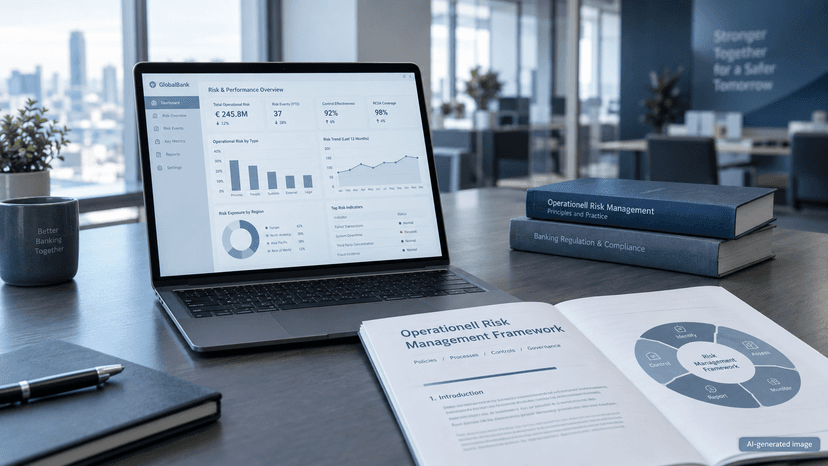
Cyber Insurance: Requirements, Costs, and Selection Guide for Businesses 2026
Informationssicherheit

Cyber Insurance: Requirements, Costs, and Selection Guide for Businesses 2026

April 17, 2026
12 min

Cyber insurance covers financial losses from cyberattacks, data breaches, and IT outages. This guide explains what insurers require in 2026, coverage types, costs by company size, and how to choose the right policy — including how ISO 27001 certification reduces premiums.
Boris Friedrich
Read
Vulnerability Management: The Complete Lifecycle for Finding, Prioritizing, and Remediating Weaknesses
Informationssicherheit

Vulnerability Management: The Complete Lifecycle for Finding, Prioritizing, and Remediating Weaknesses

April 16, 2026
14 min

Over 30,000 CVEs are published annually. Effective vulnerability management prioritizes what matters most to your organization and remediates before attackers exploit. This guide covers the full lifecycle: discovery, scanning, risk-based prioritization, remediation, and compliance.

Boris Friedrich
Read
Security Awareness Training: Building Effective Programs and Measuring Impact
Informationssicherheit

Security Awareness Training: Building Effective Programs and Measuring Impact

April 15, 2026
12 min

The human layer remains the weakest link in cybersecurity. This guide covers how to build an effective security awareness program, run phishing simulations, design role-based training, and measure whether your program actually reduces risk — with benchmarks and KPIs.

Boris Friedrich
Read
Penetration Testing: Methods, Process & Provider Selection Guide 2026
Informationssicherheit

Penetration Testing: Methods, Process & Provider Selection Guide 2026

April 15, 2026
14 min

Penetration testing reveals vulnerabilities before attackers exploit them. This comprehensive guide covers black box, grey box, and white box methods, the 5-phase pentest process, provider selection criteria, DORA TLPT requirements, and cost benchmarks for every test type.

Boris Friedrich
Read
Business Continuity Software: Comparing Leading BCM Platforms 2026
Informationssicherheit

Business Continuity Software: Comparing Leading BCM Platforms 2026

April 14, 2026
18 min

Business continuity software automates BIA, plan management, exercise tracking, and incident response. This comparison reviews leading BCM platforms, selection criteria, DORA alignment, and which solution fits organizations at different maturity levels.

Boris Friedrich
Read
SOC 2 vs. ISO 27001: Which Security Certification Do You Need?
Informationssicherheit

SOC 2 vs. ISO 27001: Which Security Certification Do You Need?

April 14, 2026
16 min

SOC 2 and ISO 27001 are the most requested security certifications. This practical comparison covers scope, cost, timeline, customer expectations, regulatory alignment, and the 70% control overlap — helping you decide which to pursue (or whether you need both).

Boris Friedrich
Read
View All Articles
ADVISORI Logo
BlogCase StudiesAbout Us
info@advisori.de+49 69 913 113-01