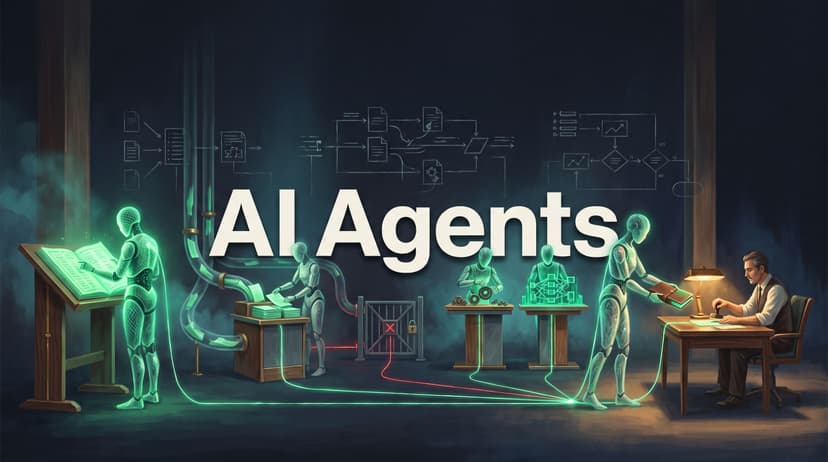
Rapid Prototyping for Digital Products
Rapid Prototyping
Turn your ideas into testable prototypes — in days, not months. ADVISORI supports you with prototyping workshops, design sprints and MVP development so you can engage users early and minimize development risk.
- ✓Fast Idea Validation
- ✓Reduced Development Risk
- ✓Early User Feedback
- ✓Efficient Iteration
Your strategic success starts here
Our clients trust our expertise in digital transformation, compliance, and risk management
30 Minutes • Non-binding • Immediately available
For optimal preparation of your strategy session:
- Your strategic goals and objectives
- Desired business outcomes and ROI
- Steps already taken
Or contact us directly:
Certifications, Partners and more...






How does ADVISORI support your rapid prototyping?
Why ADVISORI?
- Comprehensive Prototyping Expertise
- Agile Development Methods
- Proven Approach
- Focus on Validation
⚠
Why rapid prototyping reduces development risk by up to 80%
According to Nielsen Norman Group, early validation through prototyping saves 50-80% of total project costs. Rapid prototyping enables fast learning, reduces misdevelopment and delivers real user feedback — before a single line of production code is written.
ADVISORI in Numbers
11+
Years of Experience
120+
Employees
520+
Projects
We follow an agile approach to Rapid Prototyping.
Our Approach:
Concept Development
Prototype Creation
User Testing
Feedback Analysis
Iterative Optimization
"Rapid Prototyping helped us validate our ideas quickly and minimize risks early."

Asan Stefanski
Head of Digital Transformation
Expertise & Experience:
11+ years of experience, Applied Computer Science degree, Strategic planning and management of AI projects, Cyber Security, Secure Software Development, AI
Our Services
We offer you tailored solutions for your digital transformation
Prototype Development
Fast development of testable prototypes.
- Concept Prototypes
- Clickable Prototypes
- Functional Prototypes
- MVP Development
User Testing
Professional execution of user tests.
- Test Design
- User Recruitment
- Test Execution
- Results Analysis
Iterative Optimization
Continuous improvement of prototypes.
- Feedback Analysis
- Concept Adjustment
- Prototype Optimization
- Validation
Looking for a complete overview of all our services?
View Complete Service OverviewOur Areas of Expertise in Digital Transformation
Discover our specialized areas of digital transformation
Digital Strategy
Development and implementation of AI-supported strategies for your company's digital transformation to secure sustainable competitive advantages.
▼
Data Management & Data Governance
Establish a robust data foundation as the basis for growth and efficiency through strategic data management and comprehensive data governance.
▼
Digital Maturity
Precisely determine your digital maturity level, identify potential in industry comparison, and derive targeted measures for your successful digital future.
▼
Innovation Management
Foster a sustainable innovation culture and systematically transform ideas into marketable digital products and services for your competitive advantage.
▼
Technology Consulting
Maximize the value of your technology investments through expert consulting in the selection, customization, and seamless implementation of optimal software solutions for your business processes.
▼
Data Analytics
Transform your data into strategic capital: From data preparation through Business Intelligence to Advanced Analytics and innovative data products – for measurable business success.
▼
Process Automation
Increase efficiency and reduce costs through intelligent automation and optimization of your business processes for maximum productivity.
▼
AI & Artificial Intelligence
Leverage the potential of AI safely and in regulatory compliance, from strategy through security to compliance.
▼
Frequently Asked Questions about Rapid Prototyping
What is Rapid Prototyping?
Rapid Prototyping is a method for quickly developing and validating prototypes. Through early testing and iterative optimization, development risks are minimized and user requirements are optimally met.
How long does prototype development take?
Development time depends on the complexity of the prototype. Simple prototypes can be created in a few days, while more complex MVPs typically require 2–4 weeks.
What benefits does Rapid Prototyping offer?
Rapid Prototyping offers numerous benefits: fast validation of ideas, reduced development risks, early user feedback, efficient iteration, and optimized resource utilization.
What are the most important advantages of Rapid Prototyping in the innovation process?
Rapid Prototyping accelerates the innovation process through fast iteration and early feedback, leading to significant strategic and operational advantages. As a core element of modern product development, it enables an agile, customer-centric approach that minimizes risks and maximizes value creation.
🚀 Accelerated Market Launch:
•
Drastic reduction of development cycles from months to weeks or even days
•
Early validation of concepts enables parallel development processes
•
Faster decision-making through concrete, tangible intermediate results
•
Identification and elimination of bottlenecks in the development process
•
Shortened time-to-market creates competitive advantages and earlier ROI realization
💰 Cost Efficiency:
•
Significant reduction of development costs through early detection and fixing of errors
•
Up to 80% lower change costs compared to later development phases
•
Avoidance of costly misdevelopments through continuous validation
•
Lower resource requirements through focused, iterative development steps
•
Optimized resource allocation through data-driven feature prioritization
🎯 Customer Centricity:
•
Early integration of customer feedback into the development process
•
Continuous adaptation to changing customer needs and market conditions
•
Development of deeper understanding of actual user problems
•
Stronger emotional connection of users through involvement in the creation process
•
Higher customer satisfaction and acceptance of the final product
🔄 Risk Reduction:
•
Validation of assumptions through experiments instead of speculative planning
•
Early detection of technical challenges and feasibility problems
•
Gradual risk minimization through incremental development
•
Increased planning certainty through evidence-based decisions
•
Avoidance of misallocations through continuous reassessment
What methods and technologies are used in modern Rapid Prototyping?
Modern Rapid Prototyping encompasses a wide range of methods and technologies that are deployed depending on project phase, objectives, and industry. The right selection enables tailored prototyping strategies optimally suited to specific innovation challenges. Digital Prototyping Methods: Low-Fidelity Wireframing: Quick visualization of basic structures and workflows using tools like Balsamiq or Sketch Interactive Mockups: Development of clickable prototypes with Figma, Adobe XD, or InVision to simulate user flows No-Code/Low-Code Platforms: Accelerated creation of functional prototypes without deep programming knowledge through tools like Bubble, Webflow, or Airtable Digital Twins: Virtual replications of physical products for real-time simulation and optimization AR/VR Prototyping: Immersive representation of complex concepts and spaces for more intensive user experience Physical Prototyping Technologies: Additive Manufacturing (3D Printing): Rapid production of complex geometries using FDM, SLA, or SLS processes CNC Machining: Precision manufacturing through computer-controlled milling and cutting processes Laser Cutting: Fast cutting of 2D shapes from various materials Electronics Prototyping: Development of functional.
How can Rapid Prototyping be optimally integrated into existing company processes?
The successful integration of Rapid Prototyping into existing company processes requires both structural and cultural adjustments. A well-thought-out implementation strategy ensures that prototyping becomes a natural part of the innovation workflow without disrupting established processes. Process Integration: Identification of suitable integration points in existing development processes Development of hybrid models that combine agile prototyping with traditional stage-gate processes Implementation of prototyping loops within defined gates as mandatory validation steps Adaptation of project management methodologies to accommodate iterative prototyping cycles Creation of clear handover processes between prototyping and implementation phases Resource Allocation: Establishment of dedicated prototyping budgets outside regular project financing Creation of cross-functional rapid response teams for spontaneous prototyping activities Development of flexible resource models that enable quick reallocation for prototyping initiatives Implementation of time-boxing approaches to limit resource commitment per prototype Building of shared prototyping infrastructure accessible to multiple teams Organizational Anchoring: Establishment of prototyping champions in existing product teams Creation of prototyping hubs.
How do you measure the success of Rapid Prototyping initiatives?
Measuring the success of Rapid Prototyping initiatives requires a balanced scorecard system that considers both immediate outputs and long-term outcomes. A multidimensional evaluation captures the full value contribution of prototyping beyond simple cost-benefit calculations. Quantitative Success Metrics: Cycle Time Reduction: Shortening of development cycles through prototyping Cost Avoidance: Savings through early error detection and prevention of misdevelopments Time-to-Market Acceleration: Faster market launch through prototyping-driven development Investment Efficiency: ROI of prototyping activities compared to traditional approaches Success Rate Improvement: Increase in success rate of innovation initiatives Opportunity Cost Reduction: Avoided opportunity costs through faster decision-making Cultural and Competency Effects: Experimentation Adoption: Spread of experimental methods in the company Prototyping Capability Growth: Development of prototyping skills in the team Cross-functional Collaboration: Intensity and quality of cross-departmental collaboration Learning Velocity: Speed of organizational learning processes Innovation Confidence: Increased confidence in own innovation capabilities Quality and Effectiveness Indicators: Validated Learning Rate: Number of validated/refuted hypotheses per time unit Pivot.
What are best practices for successful Rapid Prototyping processes?
Successful Rapid Prototyping processes are based on proven practices that maximize speed, quality, and learning effects. These best practices enable teams to fully exploit the potential of prototyping as a strategic tool for innovation acceleration. Goal Focus: Clear definition of learning objectives for each prototype before starting development Formulation of precise, testable hypotheses instead of vague assumptions Prioritization of the most critical assumptions and highest risks for early prototyping cycles Creation of a Validation Board to document hypotheses and insights Continuous refocusing on original questions during the process Scope Management: Consistent minimization of prototype scope to the minimum necessary for hypothesis testing Implementation of the Minimum Viable Prototype (MVP) concept with strict feature limitation Focus on one central user experience per prototype instead of comprehensive overall solutions Conscious renunciation of perfect aesthetics in favor of functionality and testability Development of modular prototypes that can be incrementally expanded Testing Methodology: Early involvement of real users instead.
What are typical challenges in Rapid Prototyping and how do you overcome them?
Rapid Prototyping offers numerous advantages but is also associated with specific challenges. Proactive handling of these obstacles is crucial for the long-term success of prototyping initiatives in companies. Organizational Challenges: Problem: Traditional stage-gate processes collide with iterative prototyping approaches Solution: Development of hybrid process models with defined integration points between classic project management and agile prototyping cycles Problem: Lack of resource flexibility for spontaneous prototyping activities Solution: Establishment of dedicated prototyping budgets and cross-functional rapid-response teams Problem: Silo thinking between departments hinders comprehensive prototyping Solution: Establishment of prototyping hubs as neutral collaboration zones beyond organizational boundaries Technical Challenges: Problem: Insufficient technical infrastructure for fast iterations Solution: Building a modular prototyping platform with reusable components and ready-to-use templates Problem: Difficult balance between prototyping speed and technical quality Solution: Implementation of automated testing and validation tools specifically for prototypes Problem: Complex transition of successful prototypes into production-ready systems Solution: Development of clear transition guidelines and production-ready prototyping.
How do you optimize stakeholder feedback in Rapid Prototyping projects?
Effective stakeholder feedback is a critical success factor for Rapid Prototyping. The structured involvement of relevant interest groups in the iterative prototyping process significantly accelerates learning cycles and increases the success probability of innovation projects. Stakeholder Mapping: Conducting comprehensive stakeholder analysis at project start with identification of primary, secondary, and tertiary interest groups Creation of an influence matrix to visualize decision-making power and impact of different stakeholders Development of stakeholder-specific communication and feedback strategies based on their role in the project Identification of feedback champions within each relevant stakeholder group Regular reassessment of the stakeholder landscape during project progression Feedback Structuring: Establishment of a multi-stage feedback process with different formats for various prototyping phases Implementation of Jobs-to-be-Done interviews to capture deeper user needs Development of standardized feedback formats for consistent and comparable insights Use of guided-tour techniques with clear observation tasks for stakeholders Combination of direct (observed) and indirect (reported) feedback mechanisms Feedback Prioritization: Establishment.
What future trends are emerging in the field of Rapid Prototyping?
The future of Rapid Prototyping will be shaped by technological innovations, changed working methods, and new strategic approaches. These trends expand the possibilities of prototyping and strengthen its role as a central element of modern innovation processes. Technological Evolution: AI-supported prototyping with generative design systems and automated code generation Extended Reality (XR) prototyping for immersive user experiences without physical implementation Digital Twin integration enabling smooth transitions between virtual prototypes and real products No-Code/Low-Code platforms with advanced prototyping-specific functionalities Sensor-rich prototypes with embedded data capture for automatic usage feedback Distributed Prototyping Models: Remote-First prototyping frameworks for globally distributed teams Crowd-prototyping platforms for massive parallelization of design iterations Virtual co-creation with real-time collaboration between developers and users Asynchronous prototyping with time-shifted feedback cycles across different time zones Community-driven prototyping with open-source approaches for industry innovations Methodological Advancement: Systemic prototyping addressing complex ecosystems instead of isolated products Bio-inspired prototyping with evolutionary algorithms for design optimization Multivariate prototyping for.
How does Rapid Prototyping differ across industries?
Although the core principles of Rapid Prototyping are applicable across industries, there are significant differences in practical implementation, technologies used, and success factors depending on the industry context. These industry specifics significantly shape prototyping strategies and methods.
💻 Software & Digital Products:
•
Characteristics: Short development cycles, low manufacturing costs, easy distribution of updates
•
Typical Methods: Wireframing, clickdummies, code-based prototypes, feature flagging
•
Key Technologies: No-Code/Low-Code platforms, frontend frameworks, design systems
•
Special Challenges: User Experience Consistency, Cross-Platform Compatibility
•
Specific Approaches: Continuous Deployment, A/B testing with user groups, Shadow Launching
🏭 Manufacturing Industry & Hardware:
•
Characteristics: Material cost-intensive, longer production cycles, physical limitations
•
Typical Methods: CAD modeling, 3D printing, CNC manufacturing, functional samples
•
Key Technologies: Additive manufacturing, rapid tooling, scanning technologies
•
Special Challenges: Material selection, scale-accurate scaling, production feasibility
•
Specific Approaches: Modular prototype systems, testing-only prototypes vs. pre-production samples
🏥 Healthcare & Medical Technology:
•
Characteristics: Strict regulatory requirements, high safety needs, clinical validation
•
Typical Methods: Simulation, laboratory prototypes, controlled field tests
•
Key Technologies: Bioprinting, medical simulation software, biocompatible materials
•
Special Challenges: Regulatory compliance, sterilizability, biocompatibility
•
Specific Approaches: Involvement of ethics committees, gradual clinical validation, phased rollouts
🏦 Financial Services & FinTech:
•
Characteristics: High security requirements, complex regulatory frameworks
•
Typical Methods: Sandboxing, Wizard-of-Oz tests, Closed User Group Testing
•
Key Technologies: API prototyping, blockchain mockups, encrypted test systems
•
Special Challenges: Data protection, fraud protection, compliance requirements
•
Specific Approaches: Regulatory sandboxes, synthetic data testing, security-first prototyping
How do you organize an effective Rapid Prototyping team?
Organizing a high-performing Rapid Prototyping team requires a thoughtful combination of the right competencies, agile structures, and a supportive work environment. A well-designed team can significantly increase prototyping speed and quality. Team Composition: Core Roles: Product Manager, UX/UI Designer, Developer/Engineers, User Researcher, Business Analyst Specialist Roles: Domain experts, Data Scientists, QA specialists (involve as needed) T-shaped Skills: Promotion of generalists with specialization depth in one core area Diversity Factors: Different mindsets, experiences, and perspectives for creative solutions Team Size: Maintaining small, focused teams (5–9 people) according to the "Two-Pizza Rule" Working Models & Methods: Agile Frameworks: Application of Scrum or Kanban with short, focused sprints Design Thinking Integration: Structured creativity processes for user-centered solutions Pair-Programming/Pair-Design: Collaborative working methods for knowledge transfer and quality assurance Mob-Prototyping Sessions: Intensive group work for complex challenges Rapid-Review Cycles: Regular, time-limited feedback rounds with defined decision paths Tools & Infrastructure: Collaboration Platforms: Shared digital workspaces for synchronous and asynchronous collaboration.
How can Rapid Prototyping be integrated into existing product development processes?
Integrating Rapid Prototyping into established product development processes requires careful coordination with existing structures and gradual transformation. Success depends significantly on identifying suitable integration points and adapting to organizational circumstances. Integration into Stage-Gate Processes: Introduction of prototyping loops within defined gates as mandatory validation steps Implementation of hybrid models with defined handover points between agile and sequential phases Establishment of "Evidence Gates" instead of time-based milestones for progress measurement Adaptation of gate criteria with explicit consideration of prototyping insights Development of flexible gate structures with conditional paths based on prototyping results Portfolio Management Adaptation: Integration of Rapid Prototyping as pre-investment phase for high-risk projects Establishment of dedicated prototyping budgets outside regular project financing Development of two-stage business cases with prototyping as first validation stage Implementation of metrics to evaluate prototyping effectiveness at portfolio level Creation of separate portfolio categories for explorative prototyping initiatives Role Changes and Responsibilities: Establishment of prototyping champions in existing product teams.
What role does Rapid Prototyping play in the context of Open Innovation?
Rapid Prototyping and Open Innovation complement each other ideally and mutually reinforce their impact. The combination of both approaches enables companies to validate external ideas faster and develop effective solutions together with an extended ecosystem. Collaborative Prototyping Formats: Co-Creation Workshops: Joint prototyping sessions with customers, partners, and other stakeholders Open Innovation Challenges: Problem statements where external participants submit prototypes as solution proposals Distributed Prototyping: Distributed development of prototype components by various ecosystem partners Innovation Labs: Physical or virtual spaces for cooperative prototyping with external innovators Hackathons: Time-limited, intensive prototyping events with interdisciplinary, cross-organizational teams Open-Source Prototyping: Development and release of prototyping toolkits for the community Use and further development of existing open-source solutions as prototyping basis Building prototyping communities around open platforms and standards Implementation of distributed version control for collaborative prototyping Establishment of contributing guidelines for external contributions to prototypes Knowledge Transfer & Skill-Sharing: Crowdsourcing user feedback on early prototypes via digital platforms Conducting.
How can Rapid Prototyping contribute to the development of sustainable products?
Rapid Prototyping offers unique opportunities to integrate sustainability aspects early in the product development process. Through iterative approaches, ecological, economic, and social sustainability factors can be systematically considered and optimized.
♻ ️ Material Efficiency & Resource Conservation:
•
Virtual prototyping to reduce physical prototypes and associated material waste
•
Digital twins for simulating product lifecycles and identifying optimization potentials
•
Generative design for automated material minimization with consistent functionality
•
Multi-material prototypes for testing sustainable material substitutions
•
Iterative material reduction through successive design optimization based on prototyping insights
🔄 Circular Design Integration:
•
Modular prototypes for testing repairability and disassembly
•
Test scenarios for end-of-life circularity using rapid prototypes
•
Rapid prototyping of take-back and refurbishment concepts
•
Validation of product-service systems through experience prototyping
•
Simulation of product lifecycles to identify reuse and recycle potentials
📊 Sustainability Assessment:
•
Integrated impact measurement during the prototyping process using real-time LCA (Life Cycle Assessment)
•
A/B testing of different design options regarding environmental impacts
•
Carbon footprint simulations for alternative product configurations
•
Prototypical implementation of sustainability indicators in products
•
Validation of recycling concepts through functional material prototypes
👥 Stakeholder Engagement:
•
Co-creation with sustainability experts through collaborative prototyping
•
User feedback on sustainability aspects in early product phases
•
Rapid prototyping as a communicative tool to illustrate sustainable product visions
•
Early involvement of NGOs and environmental organizations through tangible prototypes
•
Validation of user acceptance of sustainable product features through experience prototyping
What role does Rapid Prototyping play in the context of digital transformation?
In the context of digital transformation, Rapid Prototyping functions as a strategic catalyst that accelerates the development, validation, and implementation of digital business models and solutions. It serves as a bridge between strategic vision and operational implementation of digital initiatives.
🔄 Digital Business Model Innovation:
•
Rapid Business Model Prototyping for quick evaluation of new digital value creation concepts
•
Minimum Viable Service development for validating digital services
•
Simulation of platform ecosystems through interactive prototypes
•
Prototypical implementation of data monetization approaches
•
Rapid testing of digital customer journeys using experience prototyping
🛠 ️ Digital Technology Integration:
•
Prototyping as experimental field for emerging technologies (AI, IoT, Blockchain)
•
Rapid integration testing for connecting existing systems with new digital solutions
•
Validation of technical feasibility of effective technology concepts
•
Development of proof-of-technology demonstrators for digital key technologies
•
Interoperability tests through interface prototyping
🧠 Organizational Learning Process:
•
Prototyping as a method for developing digital competencies and mindsets
•
Collaborative prototyping workshops to overcome digital transformation barriers
•
Rapid prototyping of new work models and digital collaboration forms
•
Experimental testing of digital leadership and decision processes
•
Fast feedback cycles for building a data-driven experimentation culture
🏛 ️ Digital Change Architecture:
•
Staged prototyping roadmaps for complex digital transformation initiatives
•
Tangible future visions through experienceable target image prototypes
•
Change impact analysis using simulative prototypes of the future organization
•
Identification of transformation hurdles through organization-wide prototyping
•
Development of digital leadership prototypes for testing new leadership models
How can Rapid Prototyping improve Customer Experience?
Rapid Prototyping transforms the development of customer-oriented experiences by enabling early insights into user experience before significant investments are made. It creates an iterative process of continuous improvement based on direct customer feedback.
🔍 Customer-Centric Insight Generation:
•
Experience Journey Mapping with interactive prototypes to identify pain points
•
Contextual Inquiry combined with Rapid Prototyping for situation-specific insights
•
A/B testing of different experience concepts with low-fidelity prototypes
•
Emotional resonance measurement through early experience simulations
•
Iterative persona validation through target group-specific prototyping
🤝 Collaborative Experience Design:
•
Co-creation workshops with customers using Rapid Prototyping methods
•
Participatory design sessions for joint development of experience components
•
Experience feedback loops with fast adaptation cycles
•
Storytelling prototypes for visualizing future customer experiences
•
Multi-stakeholder workshops with experienceable prototypes to harmonize internal perspectives
📱 Omnichannel Experience Integration:
•
Cross-channel prototyping to ensure consistent experiences
•
Touchpoint integration using networked prototypes
•
Simulation of channel transitions through customer journey prototyping
•
Validation of cross-device experiences with adaptive prototypes
•
Rapid testing of omnichannel concepts under real usage conditions
🔄 Continuous Experience Optimization:
•
Incremental improvement cycles through iterative experience prototyping
•
Data-driven experience adaptation through prototypes with analytics integration
•
Post-launch prototyping for continuous refinement of existing customer experiences
•
Experience monitoring through prototypes with feedback mechanisms
•
Adaptive prototypes for personalization of customer experiences
How can Rapid Prototyping be combined with Design Thinking and Lean Startup?
The integration of Rapid Prototyping with Design Thinking and Lean Startup creates a powerful innovation approach that combines human-centered design, rapid validation, and systematic learning. This symbiosis enables a comprehensive approach to complex innovation challenges. Methodological Integration: Combination of Design Thinking empathy process with early explorative prototypes Conversion of Design Thinking ideas into testable hypotheses according to Lean Startup Development of an integrated process model with smooth transitions between approaches Adaptation of fidelity levels depending on phase (low for exploration, higher for validation) Establishment of a continuous learning process from empathy to market launch Validation Strategies: Design Thinking prototypes for qualitative insight combined with quantitative Lean metrics Systematization of user feedback through structured feedback frameworks Combination of Experience Prototyping (Design Thinking) with MVP approaches (Lean Startup) Development of Build-Measure-Learn cycles with integrated user research Simultaneous validation of Desirability (Design Thinking), Feasibility and Viability (Lean Startup) Tool and Method Convergence: Development of hybrid workshop formats combining.
How can Rapid Prototyping be effectively used in highly regulated industries?
Implementing Rapid Prototyping in highly regulated industries such as healthcare, financial services, or aviation requires a careful balance between innovation speed and compliance requirements. With the right strategies, Rapid Prototyping can deliver valuable results even under strict regulatory frameworks.
📝 Compliance-Integrated Prototyping:
•
Development of compliance-by-design frameworks with integrated regulatory requirements
•
Early involvement of compliance experts in the prototyping process
•
Creation of a compliance checklist for different prototyping phases
•
Building pre-configured prototyping templates with integrated compliance components
•
Systematic documentation of all prototyping decisions for audit purposes
🛡 ️ Risk Management in the Prototyping Process:
•
Implementation of risk-adjusted prototyping approaches with scaling control intensity
•
Development of sandbox environments with regulatory protective measures
•
Conducting Regulatory Impact Assessments for each prototyping initiative
•
Establishment of tiered approval processes for different prototyping levels
•
Implementation of fail-safe mechanisms in functional prototypes
👔 Stakeholder Management:
•
Early involvement of regulatory authorities through demonstrable prototypes
•
Development of a Regulatory Advisory Board for prototyping initiatives
•
Building transparent communication channels to relevant regulatory bodies
•
Conducting compliance-focused stakeholder workshops
•
Proactive demonstration of compliance aspects through specific prototypes
🔄 Adapted Prototyping Methods:
•
Implementation of a stage-gate system with compliance checks at critical points
•
Development of phase-specific prototyping approaches with adapted control intensity
•
Use of simulation-based validation before physical implementation
•
Focus on modular prototypes that can be separately checked for compliance
•
Integration of automated compliance tests into the prototyping workflow
How can the balance between quality and speed in Rapid Prototyping be optimized?
The balance between speed and quality in Rapid Prototyping represents a central challenge. The art lies in finding the optimal degree of detail and precision that is sufficient to gain valid insights without slowing innovation speed through excessive perfectionism. Goal-Oriented Prototyping: Precise definition of learning objectives for each prototype with clear focus on critical uncertainties Implementation of a "Minimum Viable Fidelity" concept
•
only as much detail as necessary Development of specific quality criteria for different prototyping phases Differentiation between explorative and evaluative prototypes with adapted quality standards Formalization of Learning Cards to document required insight depth Process Optimization: Establishment of standardized prototyping workflows with clear handoffs and quality checks Implementation of parallel prototyping for efficient exploration of different concepts Use of timeboxing techniques to avoid perfectionism (e.g., 1-Day-Prototyping) Development of a backlog system for non-critical quality improvements Building a reusable component library for accelerated prototype development Methodological and Technical Enablers: Use of Low-Code/No-Code platforms.
How can the ROI of Rapid Prototyping investments be effectively measured?
Measuring the ROI of Rapid Prototyping requires a multidimensional approach that goes beyond traditional financial metrics. An effective ROI assessment considers both quantitative and qualitative factors and captures both immediate and long-term value contributions. Financial Value Measurement: Calculation of avoided development costs through early error detection and correction Quantification of time-to-market acceleration and resulting revenue advantages Determination of cost savings through reduced change efforts in later phases Development of a TCO model (Total Cost of Ownership) for prototyping infrastructure ROI calculation at portfolio level instead of isolated project consideration Effectiveness and Efficiency Metrics: Measurement of Validated Learning Rate: Number of validated/refuted hypotheses per time unit Tracking of pivot rate: Proportion of projects realigned in time before major investments Capture of Cycle Time Reduction: Shortening of development cycles through prototyping Determination of decision efficiency: Speed and quality of decisions Measurement of Resource Utilization Efficiency: Optimal use of budget and personnel resources Risk Reduction Metrics: Capture of.
What role does Rapid Prototyping play in fostering an innovation culture?
Rapid Prototyping functions as a powerful catalyst for building and strengthening a vibrant innovation culture. It creates not only tangible artifacts but establishes fundamental ways of thinking and behaving that promote sustainable innovation capability throughout the organization. Mindset Transformation: Establishment of a "Build to Think" mentality instead of lengthy theoretical discussions Promotion of a constructive error culture through rapid experimentation and learning Development of ambiguity tolerance through iterative approach to solutions Overcoming perfectionism through focus on continuous improvement Strengthening of a growth mindset through visible learning and development progress Cultural Practices and Rituals: Implementation of Prototyping Showcases to celebrate experiments and learning effects Conducting regular "Prototype Days" as organization-wide innovation rituals Establishment of Innovation Spaces as physical manifestation of prototyping culture Development of a storytelling format for spreading prototyping success stories Implementation of Failure Celebration Events to destigmatize failure Leadership and Organizational Design: Building a lead-by-example approach with active prototyping by leaders Adaptation of performance.
Success Stories
Discover how we support companies in their digital transformation
Digitalization in Steel Trading
Steel trading company from Germany
Digital Transformation in Steel Trading
Case Study
Results
Over 2 billion euros in annual revenue through digital channels
More than half of revenue through online channels as a strategic goal
Improved customer satisfaction through automated processes
AI-Powered Manufacturing Optimization
Industrial group from Germany
Smart Manufacturing Solutions for Maximum Value Creation
Case Study
Results
Significant increase in production performance
Reduction of downtime and production costs
Improved sustainability through more efficient resource utilization
AI Automation in Production
Automation specialist from Germany
Intelligent Networking for Future-Proof Production Systems
Case Study
Results
Improved production speed and flexibility
Reduced manufacturing costs through more efficient resource utilization
Increased customer satisfaction through personalized products
Generative AI in Manufacturing
Technology group from Germany
AI Process Optimization for Improved Production Efficiency
Case Study
Results
Reduction of AI application implementation time to just a few weeks
Improvement in product quality through early defect detection
Increased manufacturing efficiency through reduced downtime
Let's
Work Together!
Is your organization ready for the next step into the digital future? Contact us for a personal consultation.
Your strategic success starts here
Our clients trust our expertise in digital transformation, compliance, and risk management
Ready for the next step?
Schedule a strategic consultation with our experts now
30 Minutes • Non-binding • Immediately available
For optimal preparation of your strategy session:
Your strategic goals and challenges
Desired business outcomes and ROI expectations
Current compliance and risk situation
Stakeholders and decision-makers in the project
Prefer direct contact?
Direct hotline for decision-makers
Strategic inquiries via email
Detailed Project Inquiry
For complex inquiries or if you want to provide specific information in advance